
Most small business owners running local Google Ads have incomplete or broken conversion tracking—meaning they can't see which ads actually work. This article walks through common tracking failures, their real cost, and a practical three-step setup that closes the gap between clicks and actual business results.
You're spending money on local Google Ads. You think you know how many calls or bookings came from them. But when you actually check your phone system or appointment calendar against your ad account, the numbers don't match. This gap—between what Google says and what actually happened in your business—is the reason most small business owners stop trusting their ad spend.
The problem isn't that you're stupid. It's that Google Ads tracking requires layers of setup that most business owners never realize are missing.
Why This Problem Is More Common Than You Think
Most small businesses set up Google Ads one of two ways: they do it themselves using YouTube tutorials, or they hire a freelancer or agency that ticks a few boxes and leaves. Either way, the tracking often stops at "someone clicked the ad." What happens next—did they call? Book an appointment? Actually visit? Spend money?—that part frequently gets ignored.
Here's what's typically missing:
Call tracking isn't set up properly. Google Ads shows you had 43 clicks last week, but your phone system has no record of which calls came from ads versus organic search, referrals, or repeat customers. You're flying blind.
Conversion events are vague or missing entirely. You're telling Google "a lead is worth something," but the conversion might be coded wrong. It might fire twice for one booking. Or it might not fire at all because the form submission page changed six months ago.
Attribution is single-touch or non-existent. A prospect finds you on Google Ads on Tuesday, ignores it, clicks an organic search result on Thursday, and books on Friday. Google Ads gets zero credit. Meanwhile, your SEO efforts get all the credit—or vice versa.
Nobody's checking the data. The biggest culprit: most businesses set up tracking and never look at it again. Pixels break. Conversion codes expire. Parameters get misconfigured. Months pass before anyone notices.
A contractor in Costa Mesa with three crews running around Orange County told us his Google Ads account had been "running" for eight months when we audited it. His phone system was getting calls, sure—but the ad account was tracking zero conversions because his form submission page had been moved. He'd spent $12,000 and had almost no usable data about what worked.
The Real Cost of Ignoring It
When you don't know which ads are actually working, you make decisions blind.
You might kill a campaign that's actually performing well because you can't see the real conversions. Or you keep running a money-losing campaign because the one metric you can see (clicks) looks decent. You adjust your budget based on guesses instead of data. You overspend on channels that don't work. You underspend on what does.
For a restaurant or cafe, this might mean you're targeting the wrong neighborhoods or running ads during slow hours because you never tracked which daytime clicks actually turned into lunch reservations. For a med spa, you might be paying for clicks from people booking consultation calls you never wanted, while missing the people who book actual treatments.
The financial impact compounds. If you're spending $2,000 to $5,000 a month on local Google Ads—which is realistic for a service business—and 40% of that spend is unmeasured or miscategorized, you're potentially wasting $800 to $2,000 monthly on decisions based on incomplete data.
Worse: you stop believing in paid ads altogether, even though the channel might work great if you could actually see what's happening.
The Better Approach
Good tracking isn't complicated, but it requires intention and the right setup.
Start with your conversion definition
Before you touch Google Ads, decide: what actually counts as a conversion for your business? For a contractor, is it a job inquiry, a site visit, or a signed contract? For a med spa, is it a phone call, a consultation booking, or a first appointment? These are different things with different values.
Write this down. Be specific. "Leads" is too vague. "Qualified inquiry where the prospect has a budget and timeline" is better.
Layer in phone call tracking
If you're a local service business, phone calls are probably your primary conversion. You need a dedicated phone number (or number pool) that routes calls from your ads separately from your organic traffic. This lets you see which ads generate actual calls without manually reviewing your phone bill.
There are platforms built for this—some integrate directly with Google Ads, others live in your CRM. You don't need enterprise software. A basic call-tracking number costs $20 to $50 a month.
Connect your data sources
Google Ads needs to talk to your phone system, your appointment calendar, and your CRM—or at minimum, one of them. If you book clients in Acuity or HubSpot or even a simple spreadsheet, set up an integration so booking data flows back into your ad account. This closes the loop: ad → click → phone call → appointment → tracked.
Use a real reporting system
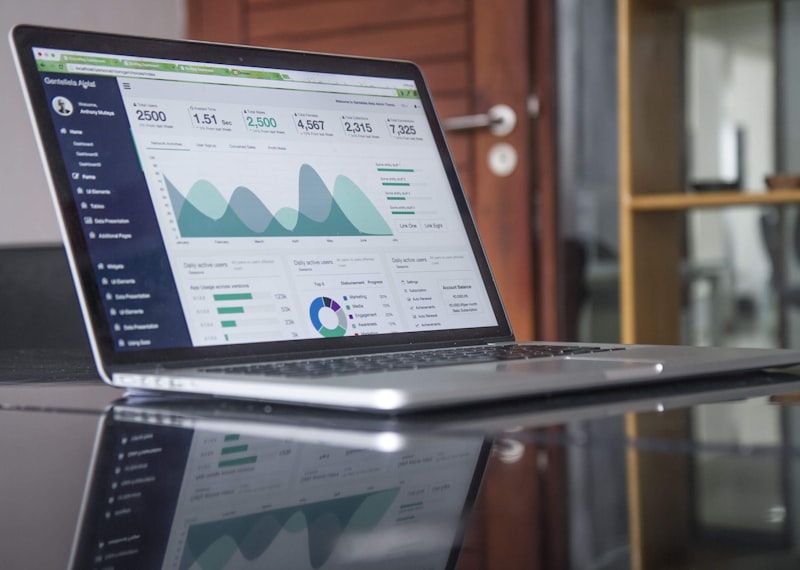
Google Ads' native reporting is basic. You get clicks and cost. If you want to see which ads generated actual revenue or which service line is most profitable from paid search, you need a real dashboard that combines your ad data with your business data. Many platforms offer this; some integrate directly with your ad account.
At OC Systems Agency, we build custom Google Ads management setups that include proper call tracking, conversion events, and reporting dashboards. Some clients use our tools, others prefer platforms like Supermetrics or Data Studio. The point is: use something beyond the default.
How to Get Started
Audit what you have
Log into your Google Ads account right now. Click the "Conversions" menu. What conversion events do you see? Is there a call conversion tracked? A form submission? If the answer is "none" or "I don't know," that's your first problem.
Next, look at your phone records from the last week. Count the calls or appointments you actually got. Now look at Google Ads for the same period. Does it match? If it's off by 50% or more, your tracking is definitely broken.
Fix the quick wins
If you're missing call tracking entirely, set it up in Google Ads this week. The tool is free and takes 15 minutes. You'll get a phone number to insert into your local ads. Calls to that number will start showing as conversions.
If you have a form on your site, make sure Google's conversion pixel is firing on the thank-you page. This is one line of code that's easy to miss.
Plan the bigger picture
Once the obvious gaps are closed, think about integration. Does your CRM send data back to Google Ads? Does your appointment system? If not, that's your next layer. You don't need to do this overnight, but plan it for the next 30 to 60 days.
If you want to see the reporting that's possible with proper tracking set up, we have an interactive sample you can explore.
What to Do Next
If you're confident your tracking is solid: great. Keep auditing it quarterly. Tracking systems drift over time. New pixels break. Conversion codes get outdated. Set a calendar reminder to check every 90 days.
If you're not sure or know it's broken: start with a professional audit. This isn't expensive—most competent consultants will spend 90 minutes reviewing your account, phone system, and CRM setup, then hand you a list of fixes.
We offer a free $200 PPC audit for local businesses in Orange County. Jordan can walk through your current setup, show you where the gaps are, and give you a specific roadmap. No obligation to work with us—the audit is just a way to get honest feedback.
The goal isn't perfection. It's clarity. Once you can actually see which local Google Ads campaigns drive real business, you can make smarter decisions about where to spend, when to scale, and when to pivot to organic search or other channels.
Tags: Google Ads, local advertising, conversion tracking, PPC, small business
Want to know which of these is actually costing you money?
Answer nine questions and we will tell you where we would look first — free, with the reasoning shown. Or explore our Google Ads management.